Specs & Ratings
Bottom Line
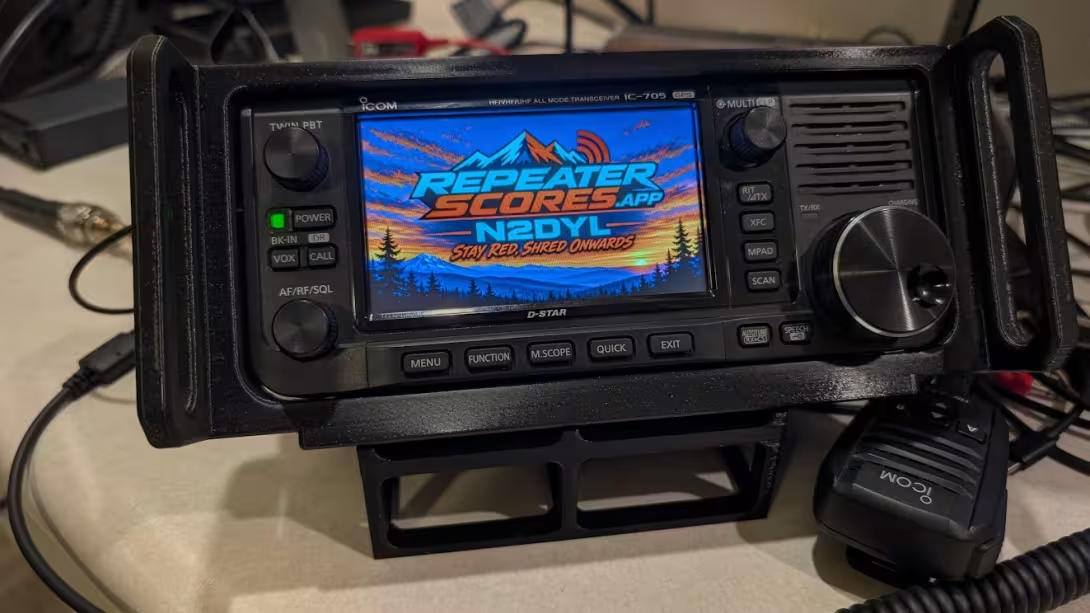
The ICOM IC-705 is a POTA focused / QRP (low power) HF radio that does UHF and VHF as well, though VHF/UHF sure feels like an afterthought.
QUICK DISCLAIMER: Review in Progress
So we don't normally like to put out a review before we've taken a radio out in the field... but we think the reviews of the ICOM IC-705 out there are just so far off base and clearly glossing over key issues on this radio we're putting this one out not yet fully formed. This radio feels like ICOM took a lot of it's best features, shoved em together, and then rushed it out the door before fully connecting the dots. This radio is good, but for the price you deserve great... and ICOM did not meet the mark on this one.
Pros
- HF + UHF + VHF all in one unit. A do everything unit for POTA or travel usage.
- Exceptional RX and TX clarity and quality. Even at 5w this beats out 10w radios simply on clarity alone.
- Battery powered and shares batteries with the ID-52. If you're in the ICOM ecosystem you can swap batteries around as needed.
- A reasonably usable design and solid modularity.
- The waterfall display is nice
- Built in SWR is really useful.
- Solid recording and logging with a good sized SD card.
- Nearby repeater search functionality is very useful
- D-Star for those who are interested.
- Some fun tie-in functionality with Bluetooth, WIFI and other connectivity bits.
- Can be modified very easily to have USB-C charging
- Temporary scan skip remains one of our favorite things ICOM has on their radios
Cons
- The UI has what feels like a glaring hole in it. It's very easy to get the screen half filled. Why not utilize the whole screen when not in some kind of scope or utility mode?
- The half screen channel mode with scope has to be the most half baked feature we've ever seen in our time reviewing radios. Did nobody test this with focus groups?!?
- When in channel mode the knob still adjusts frequency. This isn't terribly useful on VHF/UHF. Would be nice to be able to adjust
- Requiring an auxiliary battery pack for 10w is a bit of a nuisance.
- Turns into a rats nest of cables. You'll likely have auxiliary battery pack power connection, antenna, microphone, antenna tuner, USB-C power connection for the radio battery pack itself... and/or an external amp. Talk about a mess!
- The scope/waterfall tracking while scrolling is inferior to other ICOM offerings and is hard to visually track down signals.
- USB-C support has to be purchased after the fact.
- Slower scanning than other ICOM models, slow enough when scanning 100 channels you'd missing somebody saying "X9XXX Monitoring". Still faster than most other brands however.
Our main List of Gripes, Captured as we Experience Them
- The half screen display situation is ridiculous and looks amateur. ICOM this is beneath you.
- When in channel mode, the large knob not only doesn't adjust the channel but instead moves frequency... the channel name stays the same and there is no quick way to just return to channel center. So if you happen to move the most obvious knob, forget you moved it, go do something else... you now wonder why you're not hearing anything on your local repeater. Oh wait because it says W7AIA but it's actually moved and you really aren't on that repeater anymore. That sure adds to the confusion for VHF/UHF standard operation.
- Half screen waterfall has to be a joke. Who allowed this?
- No Scan skip is annoying, temporary skip helps
- When scanning, exit gets rid of the visual bottom half of the screen, it does not stop scanning. You need to push the scan button again, which for a righ handed user is blocked a bit by the scan knob... which you don't want to touch since it doesn't do anything for you when scanning VHF/UHF.
Who This RADIO Is For
A QRP / POTA radio for folks with an HF focus but may want to utilize VHF/UHF sometimes. The UI holes won't bother you because you're likely always running this with scope/waterfall anyways and don't need a full size channel mode or VFO without waterfall.
Testing ETHOS
We picked up this radio hoping to cover a variety of uses. We figured it could handle our VHF/UHF usage which we really enjoy when traveling, having used VHF/UHF recently to greatly improve a road trip by getting local advice and recommendations. We will also do some POTA activations and dabble with HF., and we figured it had good modularity potential so we're going to see if we can add some auxiliary pieces to make this thing a modular do everything radio.
Detailed Review
We're still going through everything with the radio, but we wanted to share our initial struggles.
So far, the radio is functional, and we're actual quite surprised how it demonstrates that for VHF/UHF having good LOS matters so much less than power. Even at 5w we're hitting all of our local repeaters and many repeaters we were concerned we wouldn't be able to reach. Impressive stuff!
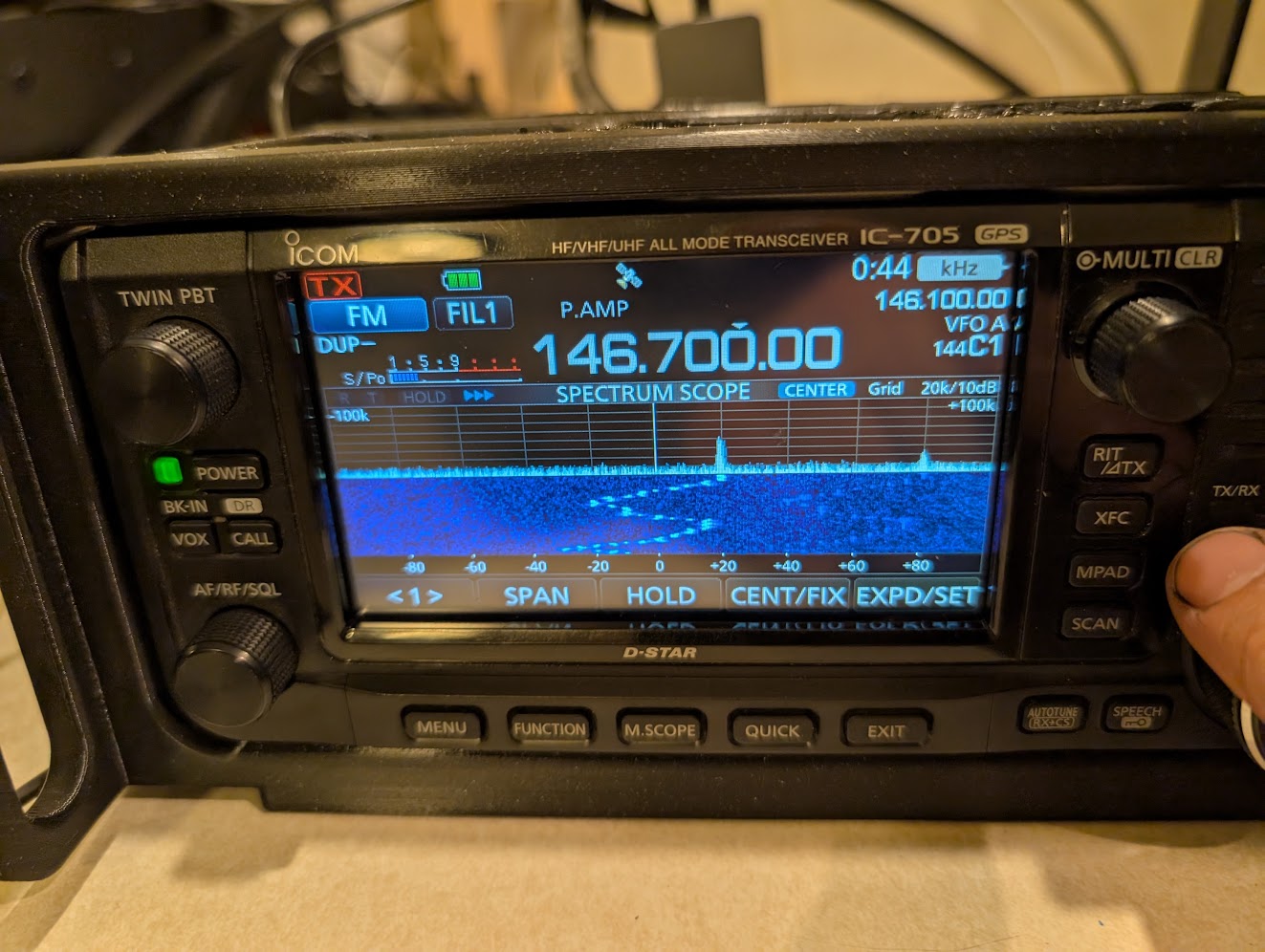
One of our major gripes we've got with the IC-705 is the waterfall display while moving. We love how the ID-5200 shifts the waterfall along with you as you go, but for some reason the IC-705 just keeps writing to the next line of pixels. That's really obnoxious as if you are chasing a transmission that has ceased the waterfall conveys no meaning to you, and if there's some other signal somewhere else down the line that may jump out at you causing you to miss where that previous signal had been. It's pretty mediocre and we can see why the 5200 got the improvement that it did.
Measured Wattage and SWR
Claimed Wattage: 5W / 10W
Measuring Device: Inline Surecom SW-102 into a 50w dummy load for VHF/UHF.
Frequency Band | "5w" output | "10w" output |
|---|---|---|
HF - 20 meters | TBD | TBD |
HF - 10 meters | TBD | TBD |
National VHF (146.520 MHz) | 5w | 9.9w |
National UHF (446.000 MHz) | 4.84w | 9.6w |
GMRS CH 1 (462.5625) *** | TBD | TBD |
*** Read our statement on GMRS operation with amateur radios.
Accessories we recommend
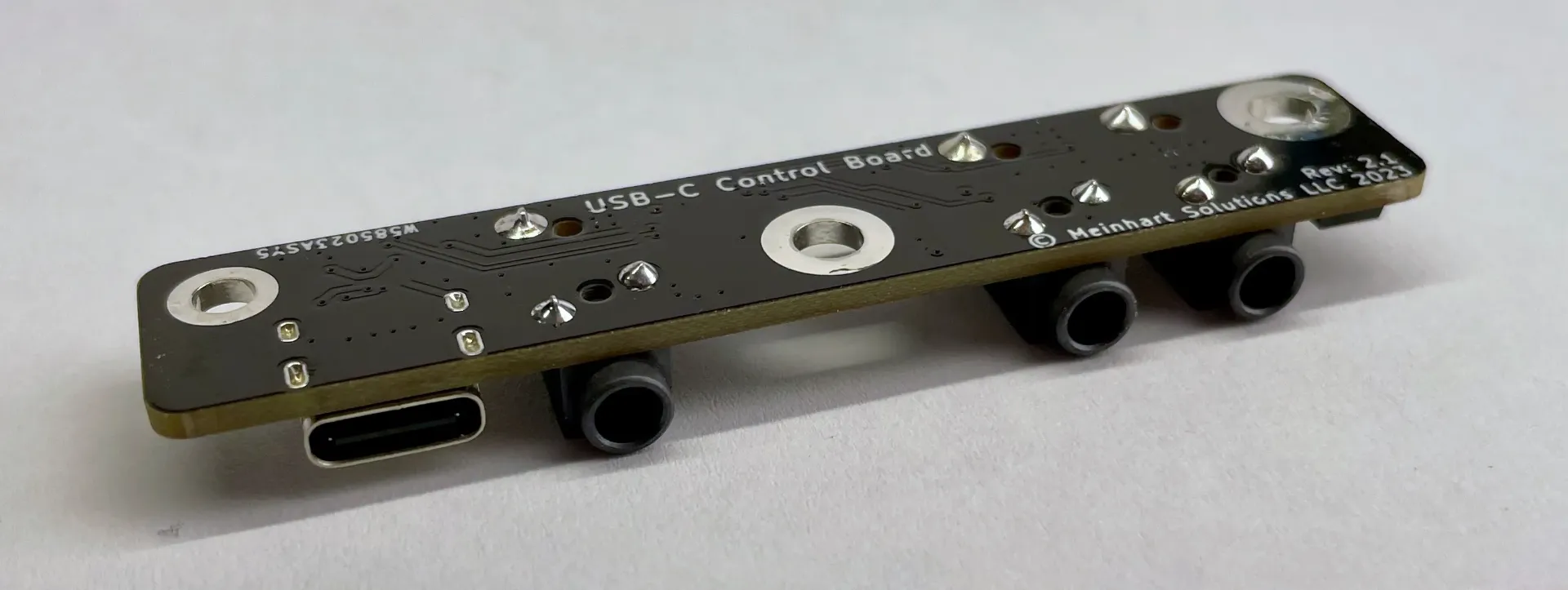
USB-C Adapter. You can find this for cheaper than we're linking, but we recommend going with a reputable source instead of slapping a cheap $35 part into your $1400 radio. This will improve the rate at which your radio charges, and since the USB-Micro cable has gone the way of the dinosaur, will enable you to easily charge your radio. It's VERY easy to install and a must have for this radio. We recommend following the Ham Radio Therapy install video and walkthrough. Also: it's insane ICOM hasn't released their own version! I'd gladly pay twice as much for a reputable board designed by ICOM. It's almost like they want you to void their warranty...
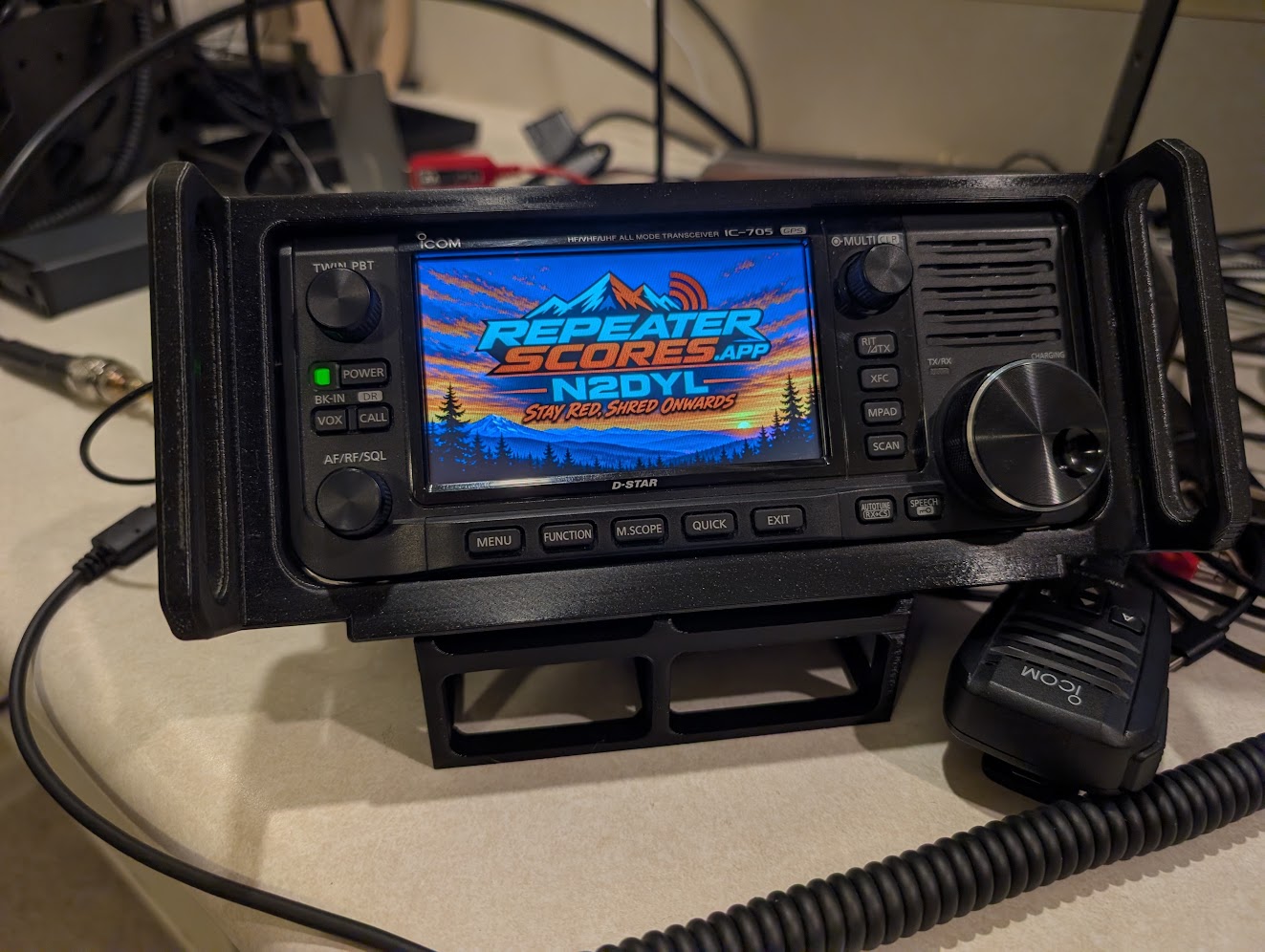
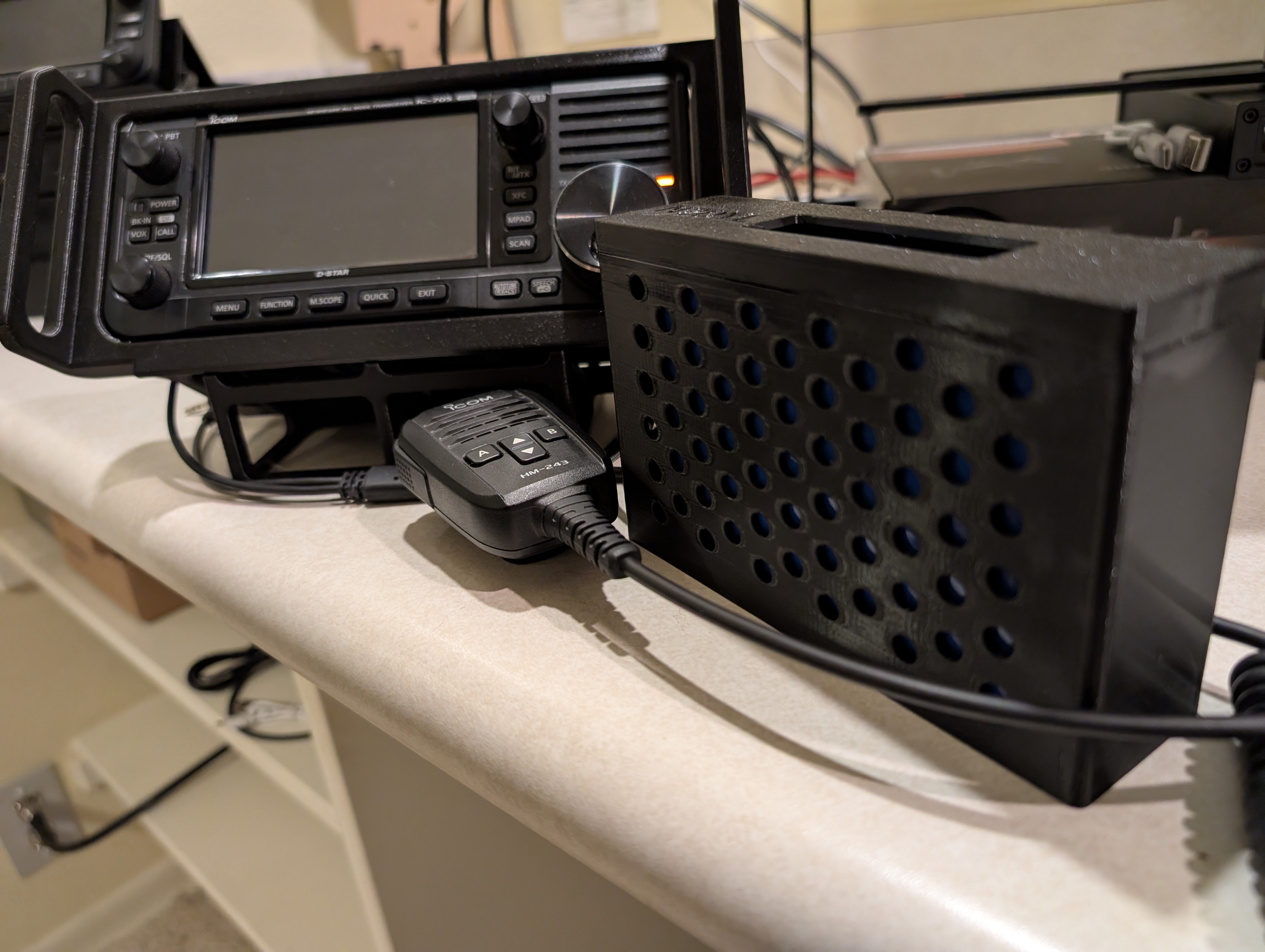
Call us crazy, but a $1400 radio meant for portable use should likely have some form of protection. We went with a 3d printed carrying case and protective cover we found on Makerworld, and it's a solid offering with a plate you can secure over your screen to ensure it doesn't wear out. Unfortunately, we found this case and all other case offerings pretty much lack any consideration for reasonable viewing and operating angle at all... so we designed up our own 3d printed desk stand. It mates perfectly with the aforementioned case and puts the case at a very comfortable operating position.
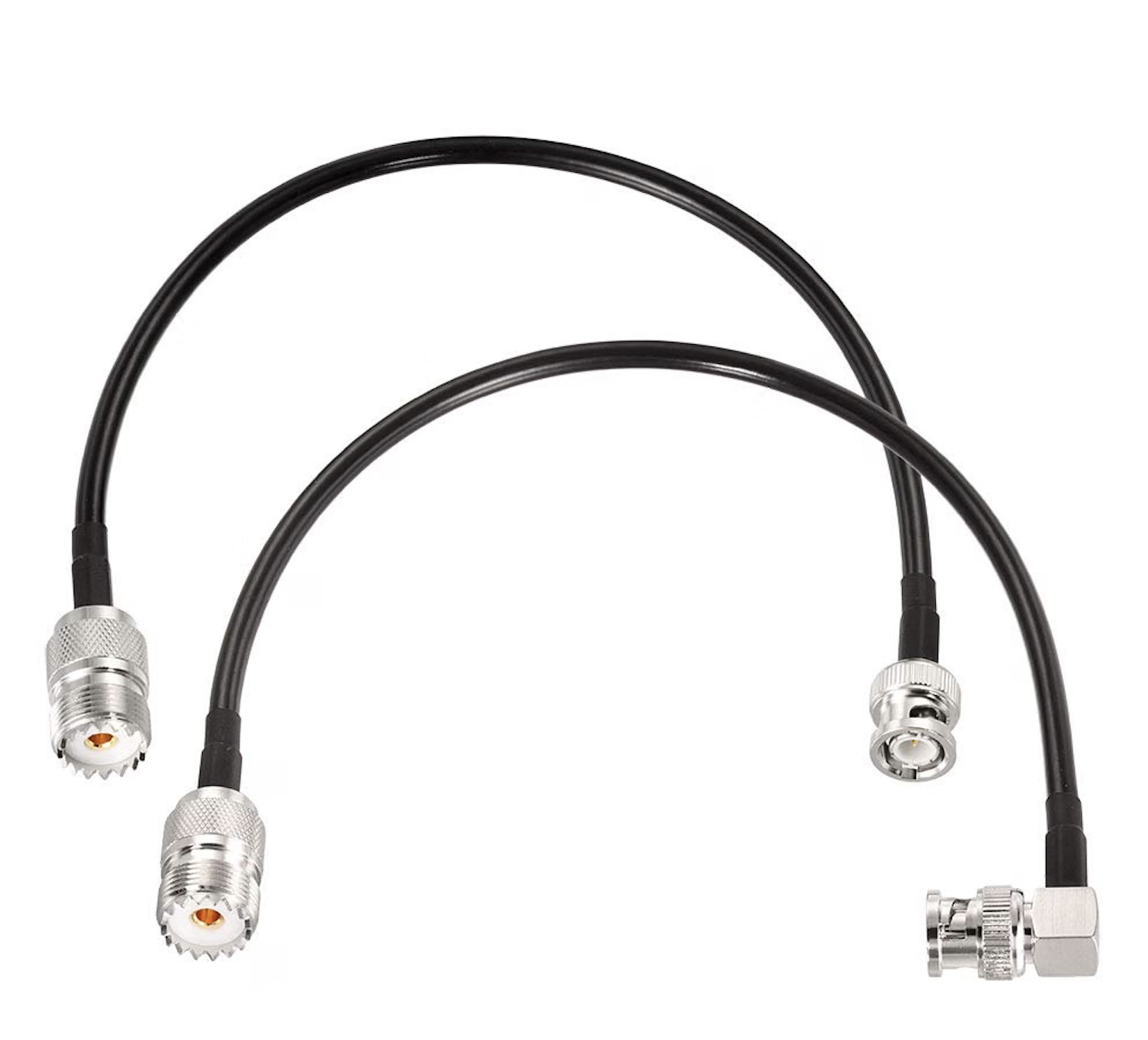
You will definitely want to get these BNC Male to SO239 (UHF female) RG58 1 foot Cables. Instead of constantly plugging and unplugging your radio and possibly putting strain on the ICOM connection, just run one of these. It's nice and flexible and simple and will reduce wear and tear and strain from your transitions with this radio.
One of the conundrums you'll face owning an ICOM IC-705 is that power wise it can occupy an odd space. You need 12v in to access 10w of power, and without it you need USB-C input to keep the removable battery charged. Now if you're not careful you might find yourself with a USB-C cable for charging the unit by itself, an auxiliary 12v battery with it's own charger, and then a 12v power supply for use at home. Well, we're here to tell you that you can skip all of that and do everything you need all in one.
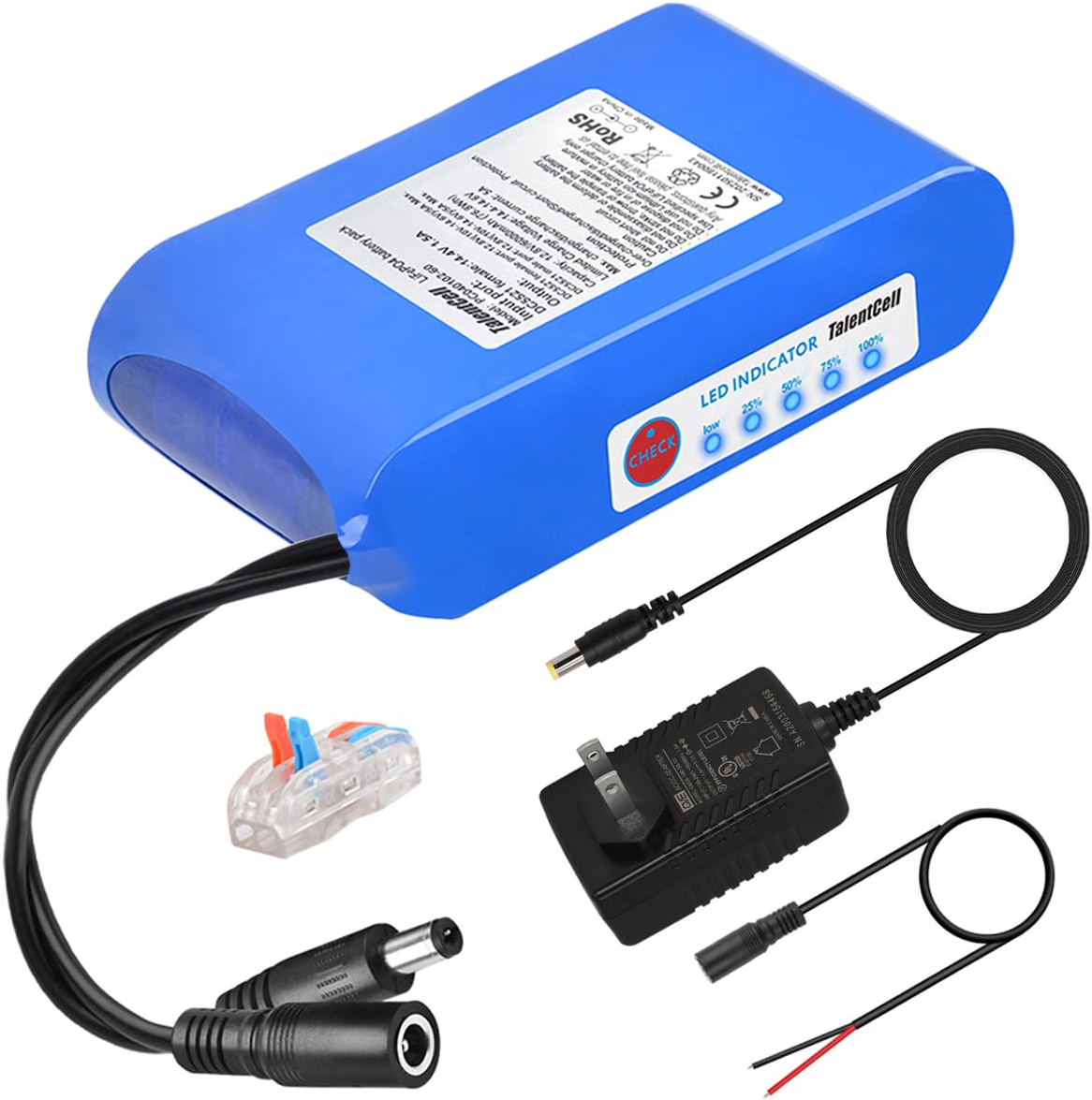
Start with a TalentCell 12V 6Ah LiFePO4 Battery Pack. The TalentCell Battery pack can provide your radio with power for hours of use, while it's plugged in it can charge the onboard IC-705 battery, AND you can plug the battery into the charging adapter at the same time as it's plugged into the radio for keeping the auxilary battery pack charged. That's one primary power setup that can cover all users needs with this radio, from portable to desktop to wherever life takes you.
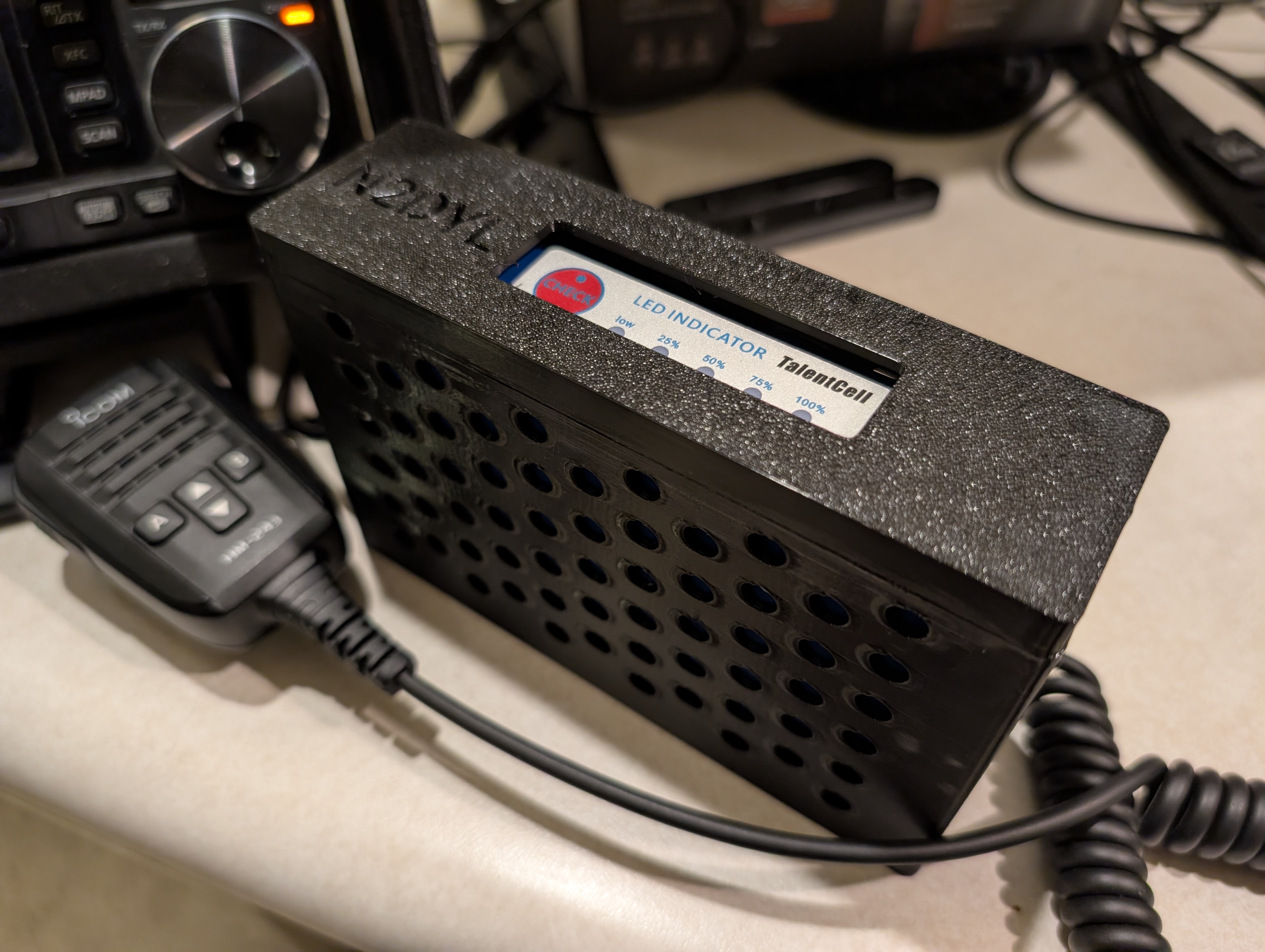
Now the talent cell battery is nice, but it's a bit lacking for durability when used portably. Fear not though, N2DYL aka Shred Jesse designed up a 3D Printable battery case for the Talentcell 12v 6ah battery. You can even add your call sign as they did above, and now you've got a compact portable and durable auxiliary battery supply for your ICOM IC-705! Don't have a 3D printer? Shoot N2DYL / Shred Jesse an email and they'll see about printing and shipping you one!
Final Verdict
We're still assessing this radio, but our initial impressions leave a bit to be desired. It has amazing potential to cover so many bases... and then half of the radio comes out feeling like an afterthought. Given our recent experiences with the Quansheng UV-K1 and the community being able to modify the firmware of that radio to massively improve it... we really have to wonder if turning this over to the community for modification as ICOM stops supporting it as much might let this radio really shine and ultimately sell more of these radios. Or maybe just some testing with various users besides the usual online reviewers who just regurgitate positive reviews for free product.