Quick Take
The most common question or statement we see from novices is either "What handheld will go 20-60 miles of range?" and "Why does my radio only go 1.5 miles?". In this article we separate the fact from the fiction, help steer you in the right direction, and get you setup for success.
Just how Far will a Radio go?
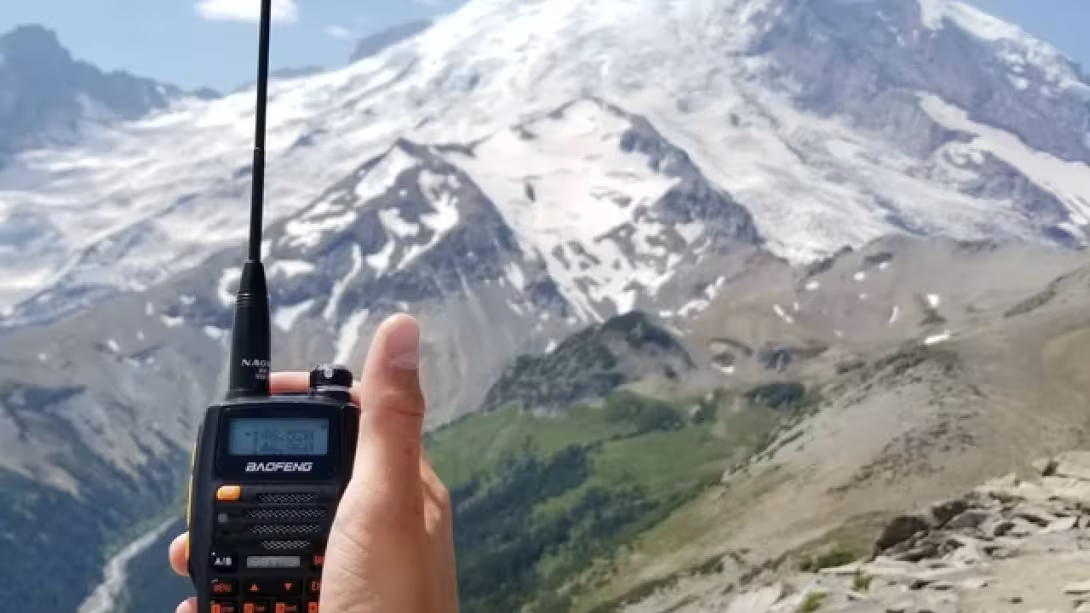
Like all good things in life the answer to how far a radio will go is "it depends". We've reached 350 miles on a $35 radio from the top of Tioga Pass (9,945 feet of elevation) and my wife has struggled to get ahold of me from inside the ski lodge 150 yards away to ask me what I wanted for lunch. For practical handheld operation, elevation and terrain dictate the reality of the situation. Does that answer your question? Probably not, and if you haven't figured it out yet, it's a silly question to put it politely.
Height is Might aka Line of Sight
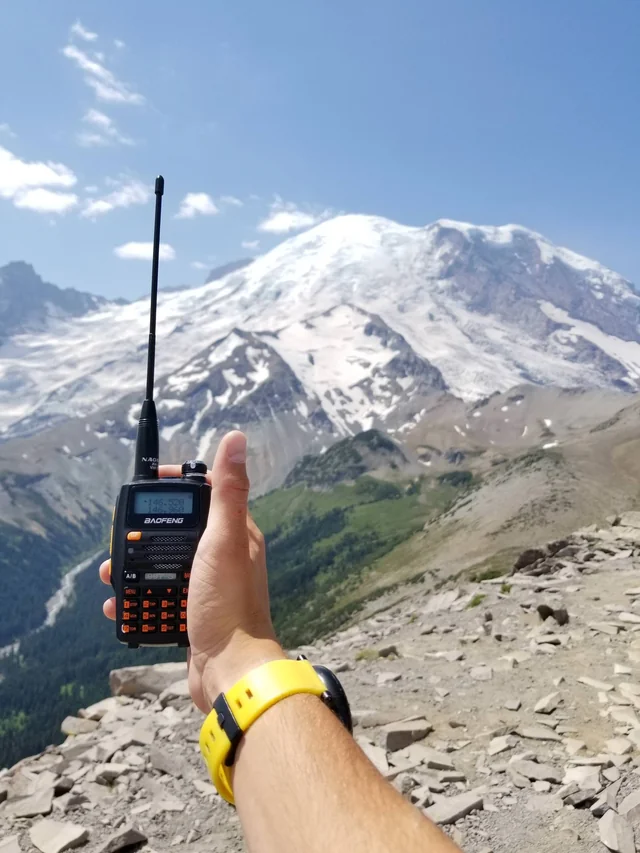
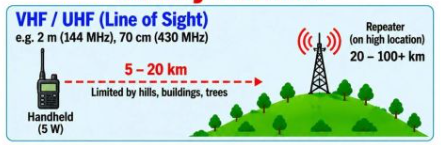
There's a few basics you need to know about operating HT's. The first is there are two relevant modes of operating, and the one you're probably most used to thinking of is called "simplex" where you talk in your radio and it sends signal out directly to the other radio you want to have hear you. The vast majority of handheld radios when operating as simplex are largely limited by line of sight. Now we're not talking literal line of sight, because we can clearly make a radio work from the other side of a tree, though the other side of 10,000 trees gets iffy. As a concept in radio with handhelds, line of sight is largely is about the physical terrain of the earth removing most modest features such as trees, small homes, etc etc. Hence from a mountain top we could go 350 miles, and from gully you'll be lucky to get out at all.
Cheat Code: Repeaters
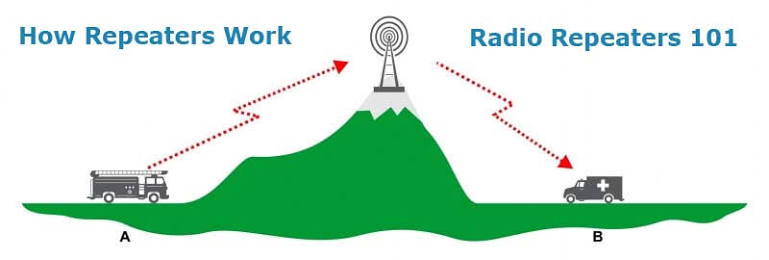
So you know your buddy can get 20 miles somehow from his suburban valley to the other side of a mild mountain pass... how is he doing that on his $35 Chinese radio?!? Well let's talk about that second mode of operation with radios, "Duplex", and using it with repeaters. Duplex let's you transmit on one frequency and receive on another. Now for two folks and nothing else in the equation, this isn't useful at all... but that's where repeaters enter the equation.
A repeater is a higher and more advantageous vantage point station with a generally very capable antenna and a notable improvement to transmit power as well. It will receive on one frequency, and transmit on another... and this is where duplex really shines. The repeater will hear you and your buddies transmit frequency, and rebroadcast on you and your buddies receive frequency. This lets you take advantage of the superior vantage point of the repeater to reach out much much further than you normally could on your own from a lower elevation.
Now If you're a prepper and thinking there won't be infrastructure etc and you need to be above it... please see our article on the realities of emergency and natural disaster situations. The reality we speak of there is taken from decades of after action reports from natural disasters and our experience working for three letter agencies. If you're serious about surviving in the real world the way things actually go sideways for civilians, read it.
(NOTE: Sorry to all you simplex repeater folks, we glossed over that for the ease of explanation)
So Do I really Need any specific radio?!?
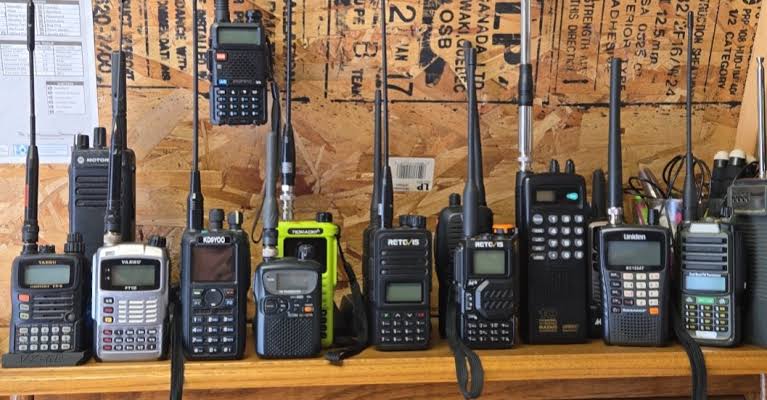
Honestly... not really. While a good antenna will make a modest improvement and having superior transmit power can help punch through modest wood lines or suburban neighborhoods... Nothing is going to let you punch through the earth. So in that regard, knowledge is power. What you really need is a radio you can reasonably program and good information on what repeaters are near you.
We've got some recommendations for you:
- Find nearby repeaters using the repeater-scores.app proximity search
- Read our article on getting started and grab the radio we recommend in there. Getting going and getting your first set of radios will cost less than eating dinner out one night.
- Read our article on the realities of Emergency situations and radio use. Short version: having a radio you can program and know how to conduct yourself on is far more important than the best radio.
Bottom Line
We didn't answer your question, and you're better off because we didn't. We've set you straight, we've given you options on how to proceed from here... the reality is you just gotta get going and figure it out... and pro tip, you can have fun doing it and make some new acquaintances and connections along the way. So good luck to you, and consider taking down your post about how far a radio can go before you get too burnt from those chuckling at your expense.