Quick Take
We have experience both working for 3 letter agencies and reviewing after action reports from recent natural disasters. Consequently, we've got a solid idea of how radio played out in the emergency for civilians, what was effective and what ideas did folks no favors. We've got a summary of what decisions will set you up to be meaningfully useful to yourself and/or your community. Read on, because we're going to separate the facts from the fantasy.
Key Details
- Having a radio at all is useful, no surprise there.
- Having a radio you know how to use is more important than having the ultimate radio.
- VHF/UHF is king for practical civilian comms. Starlink with backup power is useful, and in a very distant third is long distance HF capabilities.
- GMRS capabilities are demonstrating notable importance and provides a critical secondary communication tier. Being able to bridge that gap is also essential so having a capable radio is useful.
- Having a radio with ready to go regional programming and/or capabilities is the most useful if you are immediately in the path of destruction.
- Transitioning from the destructive event into relief efforts, having a radio you can reasonably program without assistance (including google or digital manual lookups etc) will be essential, as backup battery systems will runout on radio infrastructure and temporary infrastructure will pop up in it's place you'll need to be capable of programming in.
- If you're preparing for some fantasy total societal collapse where you become a tactical stealth ninja... you WILL be FAR more annoying than helpful, and this is direct from the after action reports themselves. Nobody is impressed, you're going to look like an idiot, and contribute nothing to anyone, least of whom is yourself if you need actual assistance.
Full Story
We answer this question about 12 times a week and the questions takes many forms. Today's questions that inspired this article were "If there were no rules what's the best most capable radio out there for SHTF", followed shortly after by "I want a radio to get ahold of my kids if there's an emergency", which immediately had a follow up question of our favorite misguided thought "I want a radio that can do 10-20-30+ miles".
We get the intention behind the questions so we will skip over shaming those folks. Instead we've curated the facts from the fantasy after combing over after action reports, along with a smattering of our personal experience working for three letter agencies and emergency response planning and execution. Below are our curated findings on how things actually play out, and what you are far more likely to need.
Addressing the "I need a Radio that will go 10-20-30 Miles" People
So you're clearly very new to this, and you've got a goal which is a fine place to start, but you're too new to understand how eyebrow raising that question is. It's the equivalent of rolling up to a job site with a plastic bob the builder hammer and asking if there's screws anywhere that need hammering. Yes, screws not nails. The question is that misguided, and we forgive you, but... go do something about being uninformed in the form of our "getting started" article OR read our article specifically about range with radios.
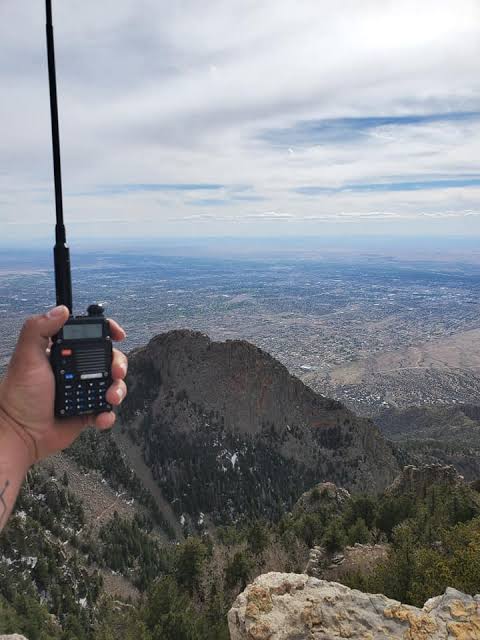
Here's the short version: You can go 75+ miles with a $35 radio from a mountain top (we just did yesterday on Mt Hood), but you'd be lucky to get a $1000 radio to go 2 miles in a flat crowded suburban environment (simplex at least). Elevation and terrain are king, and that's where repeaters can also come in. A repeater is (generally) a higher power high capability antenna higher relative elevation setup you can utilize to get the reach you don't have... but only if you can reach it. In that regard even a mountain top repeater can't help a tiny antenna in a low elevation situation... and that's where fun antennas like roll up J-pole antennas you can chuck in trees will let empower you that much more.
Anyways, We could go way down this rabbit hole, but given you have this question in your mind you REALLY need to read our getting started article.
Having a Radio at All is Helpful
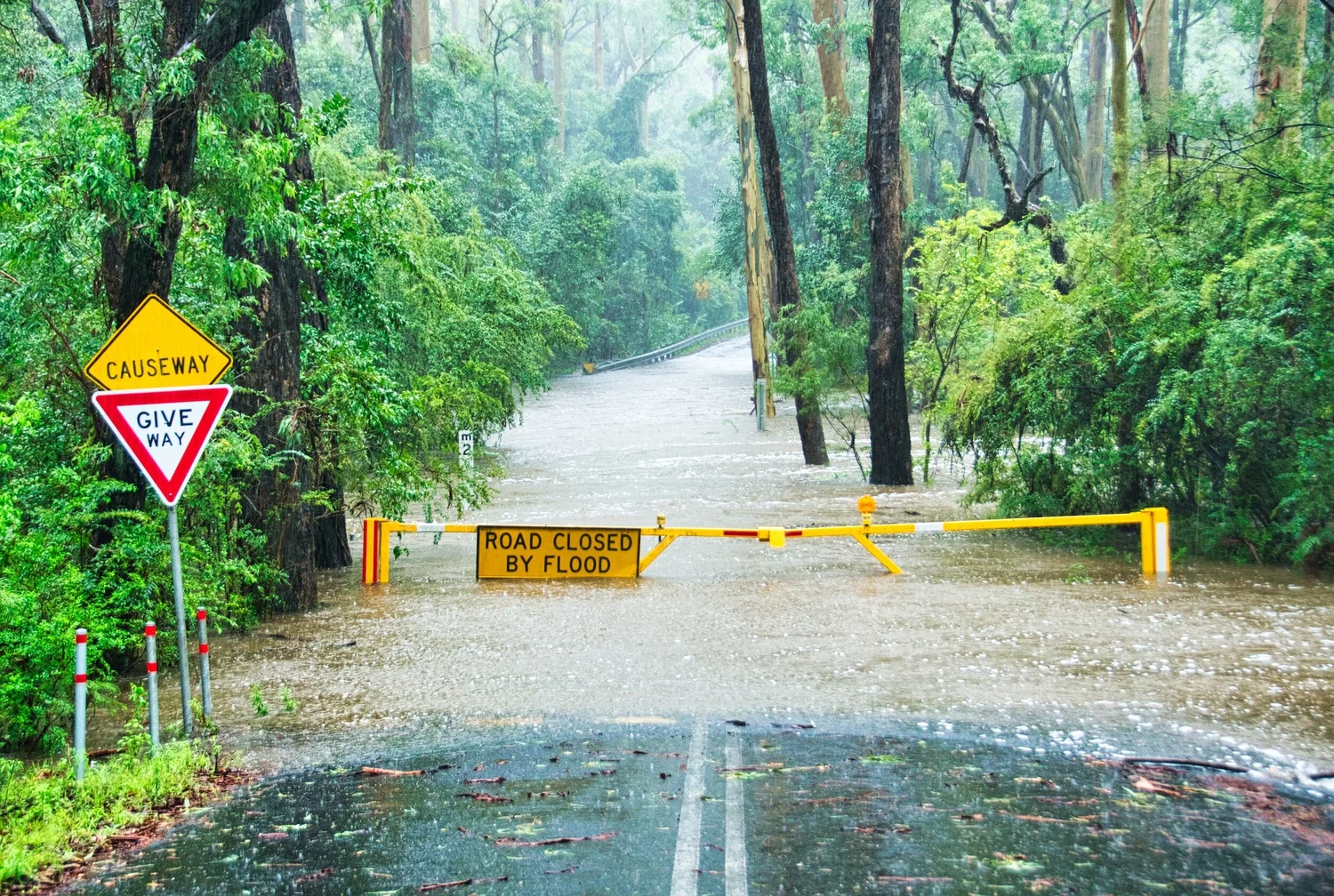
Just like the first rule of a gun fight is have a gun... the first rule of emergency comms is to have emergency comms. Even with the advent of StarLink, two way radios remain a key player in the emergency comms world. Even if you can get a call out for assistance via StarLink, anybody helping you is going to make their way to you with a two way radio setup, and when roads are closed they WILL make wrong turns.
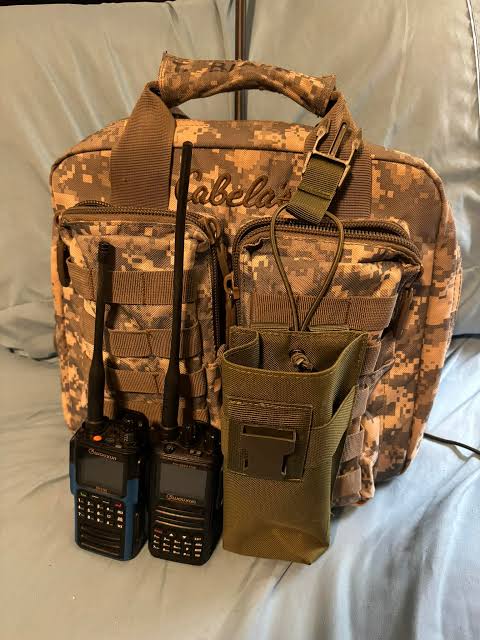
If you don't already have a radio and aren't at least GMRS licensed, we highly recommend reading our "How To Start & Your First Radio" article, which boils down to "Get a Baofeng UV-5R mini and get out there and comfortable with the basics. If your intention is to not get licensed and just figure it out when it matters, sorry but the FACTS from after action reports show you not only don't wind up capable of even helping yourself meaningfully, you wind up more in the way than disabled senior citizens. Do not pass go, do not pass $200, and nobody is impressed, DO NOT BE THIS PERSON. Or do, we like natural selection!
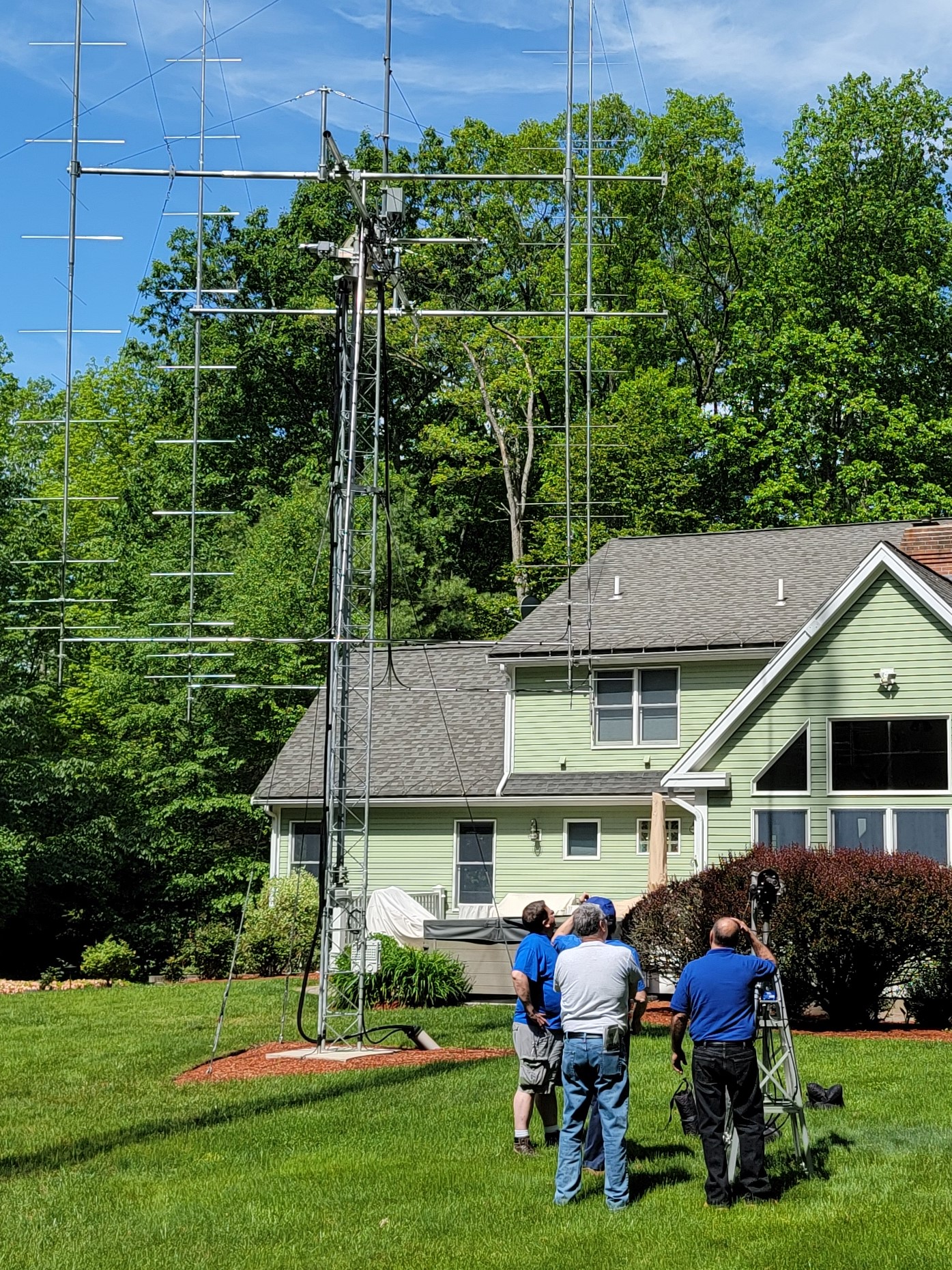
HF is ONLY USEFUL TO PASS THE TIME
Sorry all you HF folks way down the rabbit hole of setting up 80+ foot long wire antenna... having super long distance comms capabilities that let you reach out to Paraguay or Russia for "some reason" doesn't help with coordinating locale emergency response efforts or getting assistance to yourself. Self reliant prepper types will swear they'll never need help, but after action reports are full of responses to people who thought they were prepared but had a tree fall on their truck and road. Like it or not, when things go sideways, pretending you may not need help is an exercise in vanity. if you continue down that road after reading this, you are self selecting into natural selection.
Since help isn't going to come from Paraguay or Russia, you're going to need help to come from LOCAL community members who were lucky enough to not have a tree fall on their rig. So local comms are king, and it's played out time and time again with emergency situations.
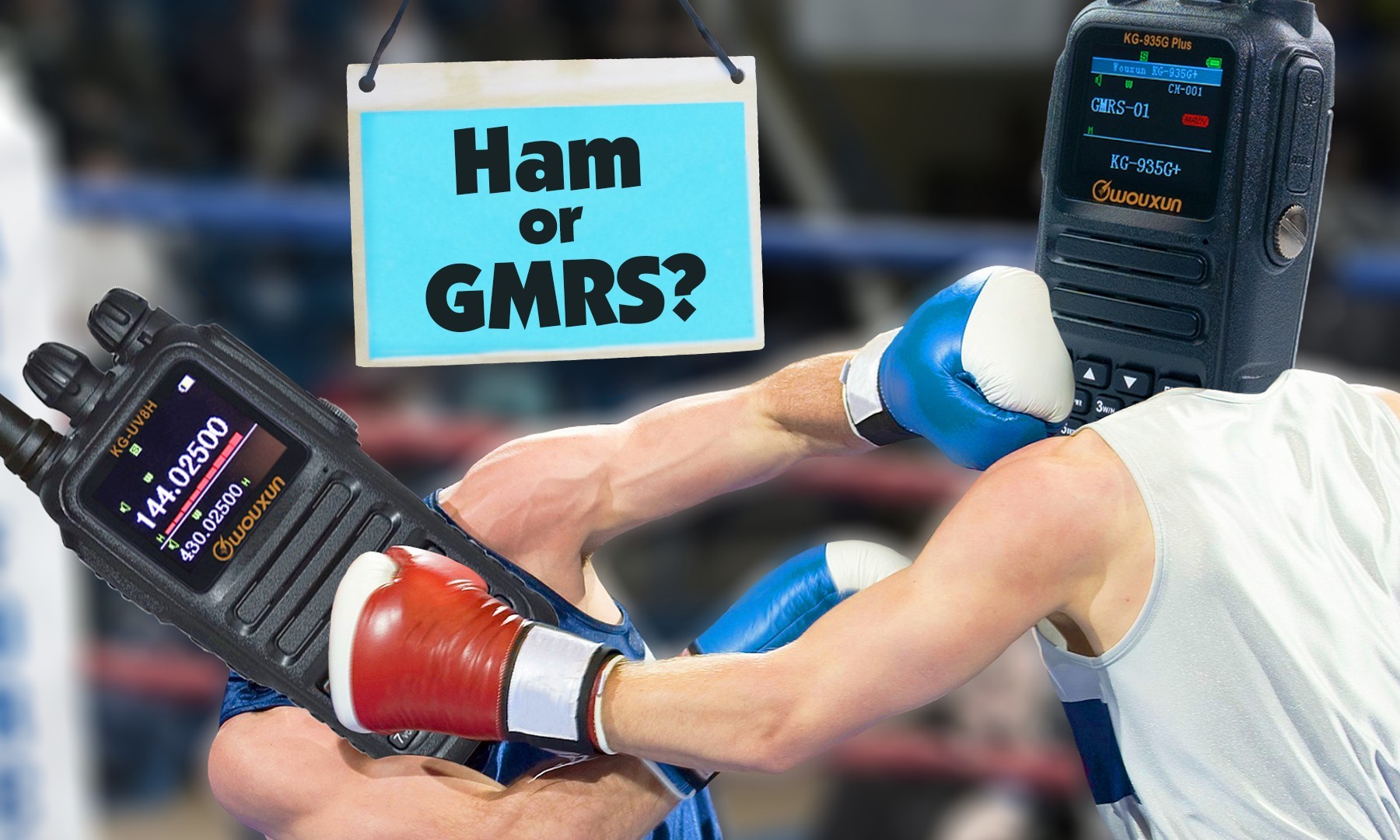
HAVING GMRS CapabilIties IS ESSENTIAL to NON-NEGOTIABLE
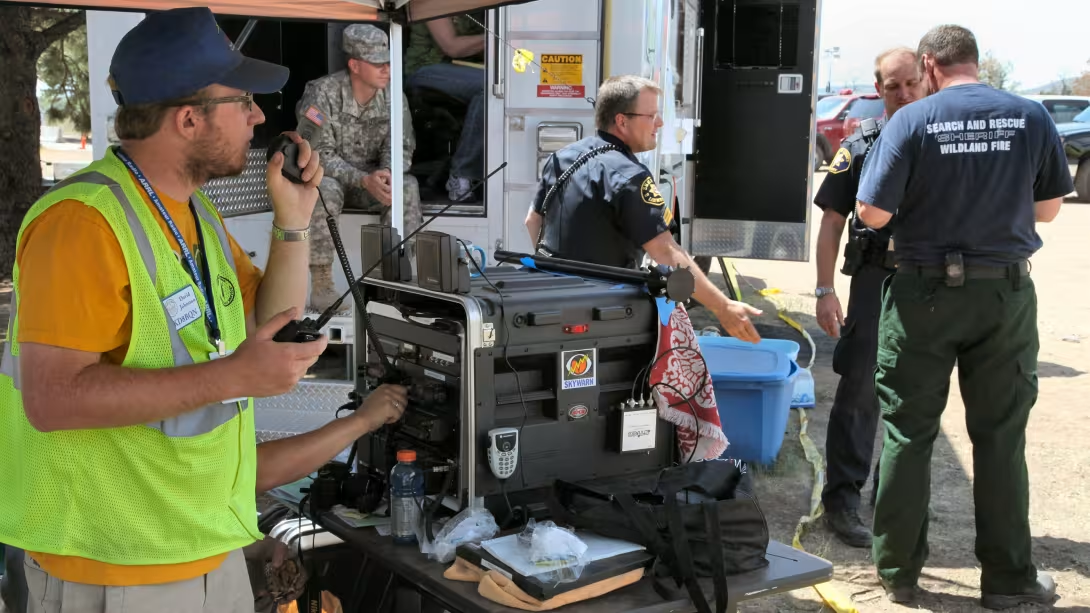
In EVERY SINGLE emergency situation after action report we've assessed, GMRS and equivalent "second tier" services have been important. As an emergency coordinator, having this second tier allows you to easily involve and setup small group comms for able bodied volunteers.You can also establish regional comms but keep lower impact users off of critical infrastructure. In those regards, GMRS has demonstrated over and over again to be essential.
We also highly encourage you when reviewing all of this, you do so from a "participant" perspective. It's fun to fantasize about how independent you will be when the world ends, but that just doesn't play out in the after action reports. So in that FAR more likely to apply to you situation, primary comms will be dwindling in availability and critical response will likely NEED those frequencies, so as as "participant" either helping or needing help, you will have the best luck if not outright find yourself limited to second tier communication systems like GMRS.
One thing we'd like to do at this time is to mention that we strongly advocate that the FCC revise it's rules on ham radios not being technically legal on FCC frequencies. A licensed ham operator can operate indistinguishably on GMRS frequencies, and while there is the FCC emergency exemption... it won't help you if radios ships disabled thanks to FCC licensing. Many of the to the letter of the law available radios prevent emergency usage without taking actions that are highly likely to not be available in an emergency or unreasonable to do in a pinch such as desoldering a near microscopic resistor.
So is our opinion that any radio operators, even those participating in ARES/RACES, who do so without GMRS capabilities on their primary radios... are self restricting their usefulness to nearly the same situation as not having a radio at all.
Having a Radio You Know is More Important Than Having the Ultimate Radio.
We just answered this question today of what theoretically is the ultimate radio, and we have an answer and a bunch of criteria that determine the answer... but it ultimately doesn't matter. You can have a $35 radio that's infinitely capable or a $500 ICOM ID-52A plus handheld with a tree deployable antenna that you just don't know how to program in a new temporary bit of infrastructure... the $35 radio that you know how to program will be far more useful.
Our primary choice for novices is a Baofeng UV-5R Mini setup with local repeaters from repeater-scores.app, which we discuss in our getting started article. Experienced users or dedicated nerds we think should have the ICOM ID-5100, ICOM ID 5200 or the handheld ICOM ID-52. We find the ICOM radios with nearby repeater search are the most capable radios as they can be easily setup with repeater-scores.app to provide exceptional repeater infrastructure access with minimal effort and they feature exceptionally intuitive menu structures.
Still, a $35 radio with a solid and tested antenna configuration will outperform a $1000 radio with a poor antenna and/or poor settings, so whatever you get, set it up right and learn how it works!
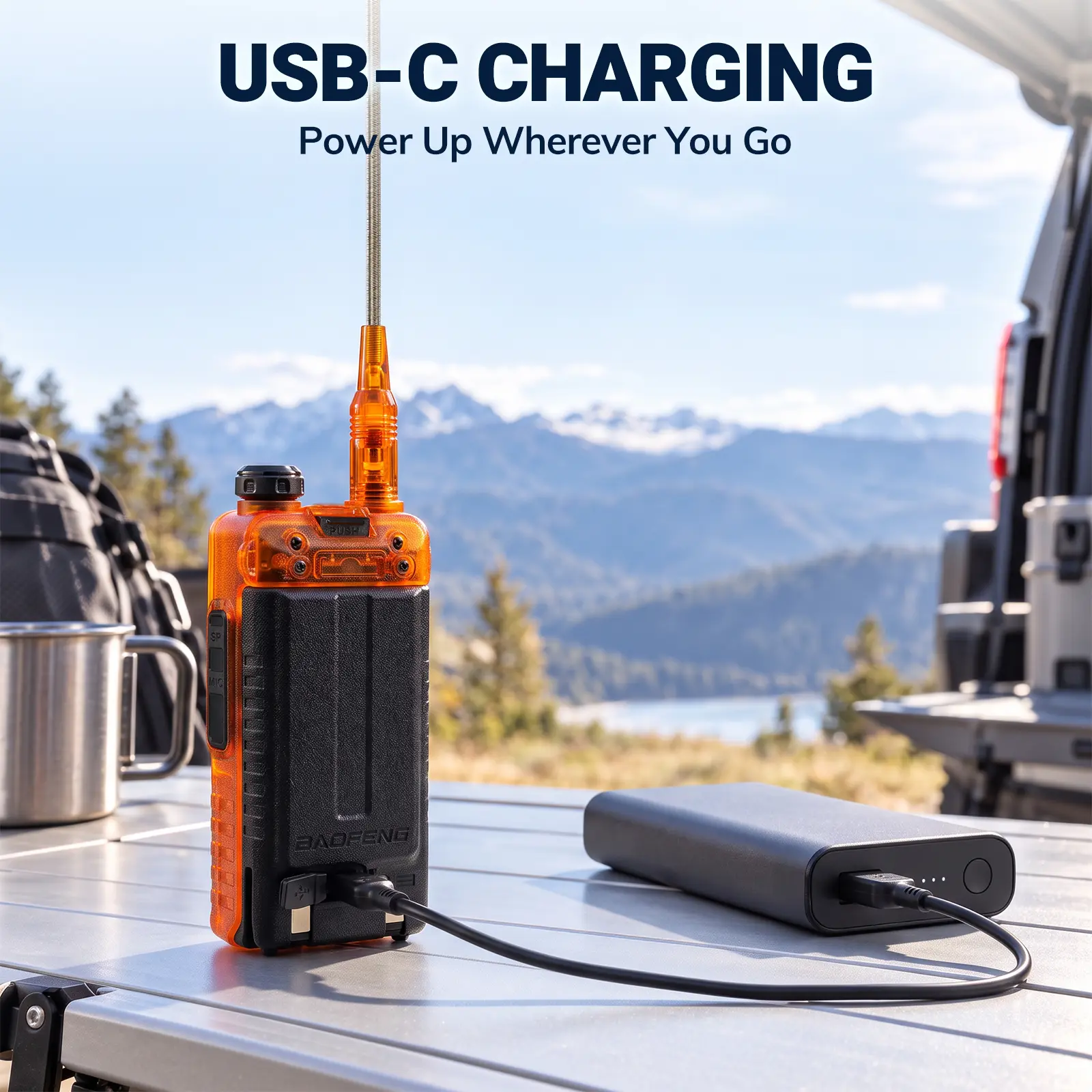
USB-C CHARGING IS ESSENTIAL TO NON-NEGOTIABLE
USB-C charging we'd argue is non-negotiable. Yaesu, we're going to call you out on not having this and your terrible menus!
While USB-C may not charge as fast, anyone serious about emergency operation should at least have it as an option on any radio that isn't just for fun. Being able to charge in the field easily (USB-C) is essential. Without fail one of the largest pieces of infrastructure setup and utilized by people are temporary power and internet stations so folks can charge their devices, make phone calls or contact loved ones, and use nearby food and water resources. At this pop up pieces of infrastructure, it is far more useful than a radio with a radio requiring a proprietary charger that you nobody will have in the field. Then, even if you have a few of those faster proprietary chargers, you'll be slowed down by the litany of other folks trying to charge their essentials. If you aren't an identified asset in an emergency response plan, nobody is letting you unplug their breast pump or whatever other thing matters to them so you can plug in your radio and play STHF stealth ninja, so have flexibility!
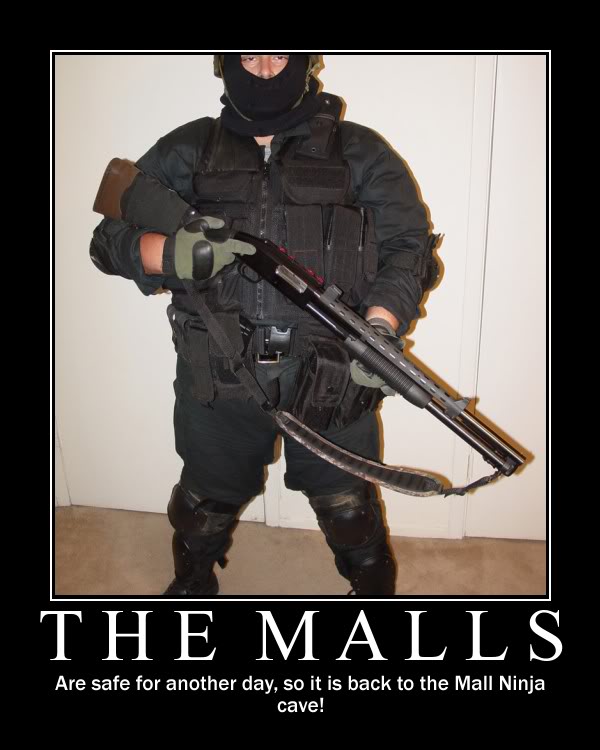
Don't be the Tactical stealth Ninja / End Of the World Prepper.
We see this personality a lot in the community. The "I don't need no license when the world begins to end I'll do what I want". We get it to some degree, some of us were raised to have a level of independence that only comes from surviving wars. That said, you'd be surprised how NOT useful radios are in the realities of an emergency situation. What we've seen in the after action reports is those folks find out just how much their uninformed butt is simply in the way on the airwaves, unable to get help, not able to help anyone else, and worst of all not be able to get help when their family needs because they've never used their radio all that much. Those folks ultimately find they're just carrying around extra weight, and their sole contribution to recovery efforts is they can donate their radios to informed relief efforts.
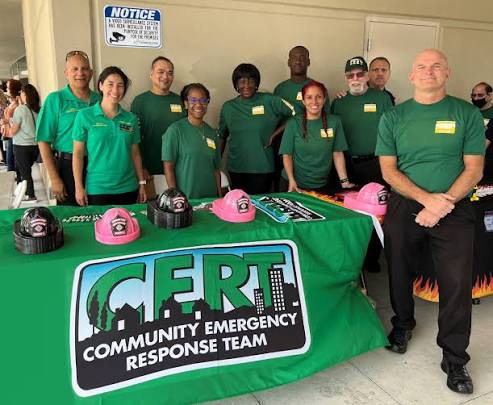
Prepare for Reality, Be a good Person, and Consider Joining Community Teams
We get radical self reliance, but the reality is we're all in a society, we rely on services, and hopefully you care enough about others enough that you see the value in being a prepared part of the solution. From having family comms to being able to get or direct help... these services are essential, especially if you find yourself in the unfortunate situation of needing them. So be a part of the solution, avoid being a part of the problem, and we hope this article steered you straight.